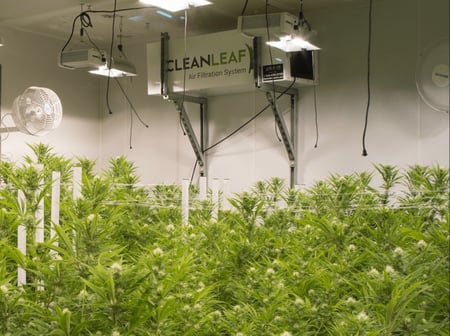
Sustainable Cannabis Cultivation: A Guide to Clean Growing Practices
Summary
As consumer demand for clean, high-quality cannabis grows, cultivators face increasing pressure to adopt sustainable, contaminant-free growing practices. This guide covers everything commercial cannabis cultivators need to know, from organic soil selection and integrated pest management to air quality control and post-harvest handling, to produce a safer, purer product while staying ahead of tightening regulatory requirements.
Table of Contents
What Is Clean Cannabis Cultivation?
As consumers become more health-focused and environmentally conscious, the demand for clean, sustainably grown cannabis has significantly increased. This shift isn't just a passing trend, it's a crucial step toward ensuring the long-term sustainability of the cannabis industry and the well-being of consumers.
Clean cannabis cultivation is about more than producing a high-quality product. By prioritizing clean growing methods, cultivators can minimize the use of harmful chemicals and deliver a safer, purer product to consumers.
Sustainable practices in cannabis cultivation cover a wide range of techniques, from using organic growing media and nutrients to adopting integrated pest management approaches that reduce or eliminate the need for synthetic pesticides.
When it comes to cultivating clean cannabis, the growing environment is everything. Indoor growing allows for total control over environmental factors, making it significantly easier to maintain cleanliness standards. A well-designed setup lets growers regulate temperature, humidity, light cycles, and air quality to prevent mold, pests, and other airborne contaminants that could compromise the final product.
Indoor Cultivation Basics
By prioritizing cleanliness and environmental control from the start, growers can reduce contamination risks and create optimal conditions for producing clean, high-quality cannabis.
Key considerations for indoor cannabis cultivation:
- Use food-grade materials for grow room construction to prevent off-gassing of harmful chemicals
- Implement proper air filtration systems to remove dust, spores, and other airborne contaminants
- Follow strict sanitation protocols, including routinely cleaning and disinfecting all equipment and surfaces
- Control humidity levels to prevent mold growth, typically 40–60% during growth and lower during flowering
- Use clean, filtered water for all irrigation
One of the foundational factors of clean cannabis cultivation is using organic soil and nutrients. This not only produces healthier plants but also ensures a purer end product free from harmful chemical residues.
Organic Growing Methods and Natural Nutrients
Using organic soil and nutrients is one of the most impactful decisions a cultivator can make for both plant health and product purity.
Benefits of organic growing media:
Improved soil structure — Organic media enhances soil texture, promoting better water retention and aeration for root health.
Microbial diversity — Organic soils provide beneficial microorganisms that support plant growth and natural pest prevention.
Sustainable practice — Organic media reduces the need for synthetic fertilizers over time.
Better flavor and fragrance — Many growers report enhanced terpene profiles in cannabis grown in organic soil.
Long-term soil health — Organic practices build soil fertility over successive grows, improving overall sustainability.
Natural Fertilizers
Organic cannabis cultivation relies on natural nutrient sources that feed both the soil ecosystem and the plant directly. Effective options include:
- Compost — Rich in nutrients and beneficial microorganisms
- Worm castings — Excellent source of balanced nutrients and plant growth hormones
- Bone meal — High in phosphorus, crucial for flowering stages
- Blood meal — Provides a quick nitrogen boost for vegetative growth
- Bat guano — Rich in nitrogen, phosphorus, and trace minerals
- Kelp meal — Offers a range of micronutrients and natural growth stimulants
- Fish emulsion — Provides balanced nutrition and promotes microbial activity
By embracing organic soil and nutrients, cannabis cultivators can produce cleaner crops while supporting the long-term health of their growing environment.
Integrated Pest Management (IPM)
Managing pests effectively while avoiding toxic chemicals ensures a safer end product and preserves the beneficial organisms that support a healthy growing ecosystem.
Integrated Pest Management (IPM) creates a comprehensive, multi-layered strategy to control pests without relying on synthetic chemical interventions.
Prevention:
- Maintain a consistently clean growing environment
- Select pest-resistant cannabis strains when possible
- Maintain proper air circulation and humidity control
- Conduct regular plant inspections for early signs of infestation
Monitoring:
- Routinely check plants for pests or signs of damage
- Use sticky traps to track pest population levels
- Keep detailed records of any pest issues and the treatments applied
Cultural controls:
- Space plants properly to reduce the spread of pests between individuals
- Manage watering carefully to avoid creating conditions favorable to pest activity
Physical controls:
- Manually remove pests when populations are small
- Use barriers such as row covers or screens
- Prune and destroy infected plant parts immediately
For more detailed IPM guidance, university extension services offer comprehensive resources for commercial cultivators.
Air Quality Control
Maintaining clean air and proper ventilation is critical for producing high-quality, contaminant-free cannabis. Good air quality promotes plant health while helping prevent mold, mildew, and pest infestations.
Air Filtration Systems
CleanLeaf HEPA Filter Systems:s
- Remove 99.99% of airborne particles as small as 0.3 microns
- Typically used as the final stage in multi-stage air filtration systems
- Often paired with pre-filters to extend lifespan and efficiency
- Effective against dust, pollen, mold spores, and bacteria
- High-capacity V-bank designs increase filter surface area for improved performance
- General replacement interval: every 1–2 years depending on usage and facility conditions
CleanLeaf Carbon Filter Systems:
- Utilize canisters filled with activated carbon designed to capture and absorb odors
- Effectively neutralize volatile organic compounds (VOCs)
- Support discretion and compliance in areas where odor mitigation is required
- Can be a critical component of regulatory odor mitigation plans
- Require annual replacement to maintain optimal adsorption capacity
Together, HEPA and carbon filtration create a clean, controlled growing environment. HEPA filters focus on removing particulate matter and biological contaminants, while carbon filters address odor and VOC control. Both contribute to meeting regulatory requirements and maintaining consistent quality standards.
Managing Humidity and Temperature
Dehumidifiers — Essential for controlling humidity, especially during flowering. Prevent mold growth by maintaining humidity below 60%. Choose energy-efficient models with adequate capacity for your space.
Humidifiers — May be necessary in dry climates or during vegetative growth stages. Maintain humidity between 40–60% for optimal conditions.
Air conditioning — Crucial for maintaining optimal temperatures, typically 70–80°F (21–27°C) during the day. Regulates moisture levels through air dehumidification.
Fans — Circulate air to prevent stagnant pockets and strengthen plant stems. Use a mix of ceiling, wall-mounted, and floor fans for comprehensive air movement.
Heat exchangers — Recycle exhaust heat to condition incoming air, improving energy efficiency in colder climates.
Environmental controllers — Automate the management of temperature, humidity, and CO₂ levels. Provide data logging for ongoing analysis and optimization.
Harvesting and Post-Processing
End-stage cultivation demands precision to preserve product quality. Harvesting and post-harvest handling are critical to maintaining the cleanliness and integrity of the final product.
Proper Drying and Curing Techniques
Drying:
- Cut plants into smaller branches for easier, more even drying
- Hang branches downward in a dark, cool room
- Maintain humidity between 40–50% to prevent mold during the drying period
- Use gentle air circulation, avoiding direct airflow onto buds
- Allow 7–14 days for a slow, thorough dry — rushing this stage results in a harsher end product
Curing:
- Once dry, trim buds and place loosely in airtight glass jars
- Store in a dark, cool place at 50–60°F (10–15°C)
- Open jars daily for the first 1–3 weeks to release accumulated gases and replenish oxygen
- Cure for a minimum of 1–3 weeks to improve flavor, smoothness, and overall quality
Avoiding Contamination During Trimming and Storage
Trimming:
- Wear clean, powder-free nitrile gloves at all times
- Use sharp, sterilized trimming scissors — clean with isopropyl alcohol between uses
- Work in a clean, well-ventilated area free from potential contaminants
- Use trimming trays and surfaces that are easy to sanitize
- For larger operations, ensure trimming machines are thoroughly cleaned between batches
Storage:
- Use food-grade, airtight glass containers for long-term storage
- Avoid plastic containers, which can affect flavor and potentially leach chemicals
- Store in a dark, cool location to preserve cannabinoids and terpenes
- Use humidity control packs to maintain optimal moisture levels
- Label all containers with strain information and harvest date
- Regularly inspect stored product for signs of mold or degradation
Additional Clean Cultivation Considerations
Testing:
- Submit samples for third-party lab testing to verify contaminant levels, potency, and terpene profiles
- Comply fully with all local regulations regarding testing and product labeling requirements
Handling:
- Minimize direct handling of processed product to preserve trichomes and prevent contamination
- Use gloves and clean utensils whenever handling finished material
Environment:
- Maintain a clean, dust-free environment for all post-harvest activities
- Use HEPA air filtration in all processing and trimming areas to reduce airborne contaminants
- Enforce strict sanitation protocols for all equipment and work surfaces
Packaging:
- Use clean, food-grade packaging materials throughout
- Consider nitrogen-flushed packaging for longer-term storage to prevent oxidation and preserve quality
Looking Ahead
Clean cultivation practices are no longer optional for commercial cannabis operations — they are becoming the regulatory and market standard. The industry is moving toward stricter controls on pesticide use, lower permissible contaminant thresholds, and greater transparency in production practices. Cultivators who build clean systems now will be better positioned to adapt as those standards evolve.
Emerging developments — including vertical farming, aeroponic systems, AI-assisted environmental optimization, and the development of more pest-resistant cultivars — will continue to raise the ceiling on what clean, efficient indoor cultivation can achieve. Staying informed through resources like the National Cannabis Industry Association (NCIA) is one of the best ways to keep pace with regulatory and technological developments as they emerge.
FAQs: Clean Cannabis Cultivation
What does "clean cannabis" actually mean?
Clean cannabis refers to product that has been cultivated without harmful synthetic pesticides or chemical residues, in a controlled environment that minimizes exposure to mold, bacteria, and airborne contaminants. It encompasses the full production process, from growing media and pest management through air quality control, harvesting, and storage.
Why is indoor cultivation better for producing clean cannabis?
Indoor cultivation gives growers complete control over the growing environment, including temperature, humidity, light, and air quality. This level of control makes it significantly easier to prevent contamination, maintain consistent conditions, and meet the cleanliness standards that outdoor growing cannot reliably guarantee.
What role does air filtration play in clean cannabis cultivation?
Air filtration is one of the most critical systems in a clean cultivation facility. HEPA filtration removes 99.99% of airborne particulate, including mold spores, pollen, bacteria, and dust — before it can reach plants or finished product. Carbon filtration addresses VOCs and odors, supporting both environmental quality and regulatory compliance. Together, these systems form the backbone of a clean air strategy.
How often do HEPA and carbon filters need to be replaced?
HEPA filters in cultivation environments generally require replacement every one to two years, depending on facility conditions and usage intensity. Activated carbon media should be replaced annually to maintain effective odor and VOC adsorption. Pre-filters, which protect HEPA stages from larger particles, typically require more frequent attention and should be inspected regularly.
What is integrated pest management and why is it preferred over conventional pesticide use?
Integrated Pest Management (IPM) is a structured, multi-method approach to pest control that prioritizes prevention, monitoring, and physical or cultural interventions over chemical treatments. It is preferred in clean cultivation because it reduces or eliminates synthetic pesticide residues in the final product, preserves beneficial organisms in the growing environment, and produces a safer end product for consumers.
What humidity levels should be maintained throughout the growth cycle?
During vegetative growth, relative humidity should generally be maintained between 40–60%. During flowering, humidity should be reduced, typically below 50%, to minimize mold and mildew risk. During drying and curing, a range of 40–50% is recommended to prevent mold while allowing a slow, quality-preserving process.
How important is sanitation during trimming and post-harvest handling?
Sanitation at this stage is critical. Contamination introduced during trimming, curing, or storage can compromise product that was otherwise cleanly grown. Powder-free gloves, sterilized equipment, clean work surfaces, and HEPA-filtered air in processing areas are all essential components of a post-harvest sanitation protocol.
What are the regulatory trends affecting clean cannabis cultivation?
The regulatory direction is clear: stricter pesticide controls, lower allowable contaminant thresholds, mandatory third-party testing, and documented odor mitigation plans are all becoming standard requirements across regulated markets. Cultivators who establish robust clean growing systems now will face fewer compliance challenges as these requirements continue to tighten.
You may also like: