Plant Cultivation Pest Prevention
Summary
Plant pest control is essential for commercial horticulture operations to protect crop health, yield, and regulatory compliance.
This guide covers how to prevent and manage pest infestations in indoor and outdoor cultivation environments, including identification tips, organic and chemical treatment options, regulatory requirements, and professional best practices.
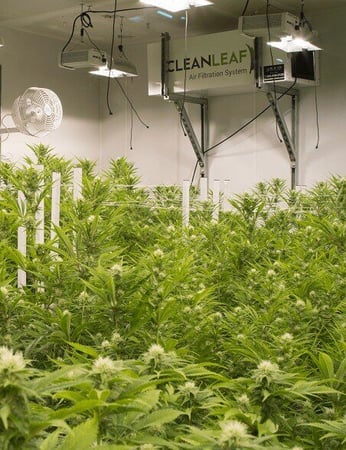
Learn how proper sanitation, air filtration, and routine inspections form the foundation of effective pest prevention for modern growing facilities. CleanLeaf HEPA air filtration systems offer 99.97% filtration efficiency, removing airborne mold spores and supporting a clean, controlled environment for plant health and growth.
Table of Contents
Common Plant Pests in Cultivation Facilities
Why Pest Prevention Matters for Commercial Growers
Pest infestations threaten both indoor and outdoor growing operations. While outdoor growers face challenges from deer, birds, moles, squirrels, and raccoons, indoor facilities must guard against insects and smaller pests that can devastate entire harvests.
Key Prevention Advantage: Indoor growing provides complete environmental control—from climate management to light schedules—allowing cultivators to create ideal growing conditions. However, without proper pest prevention protocols, crops remain vulnerable to insects and infestations.
Regulatory Requirements for Cultivation Facilities
Many states and counties mandate pest inspections for commercial cultivation facilities. Facilities must be constructed, equipped, maintained, and operated to prevent the entrance and harborage of animals, birds, and vermin, including rodents and insects.
Compliance Standard: Evidence of vermin infestation may require facilities to self-close, engage professional pest control services, thoroughly clean affected areas, and only reopen after complete elimination of the infestation.
How to Identify and Control Common Cultivation Pests
 Aphids
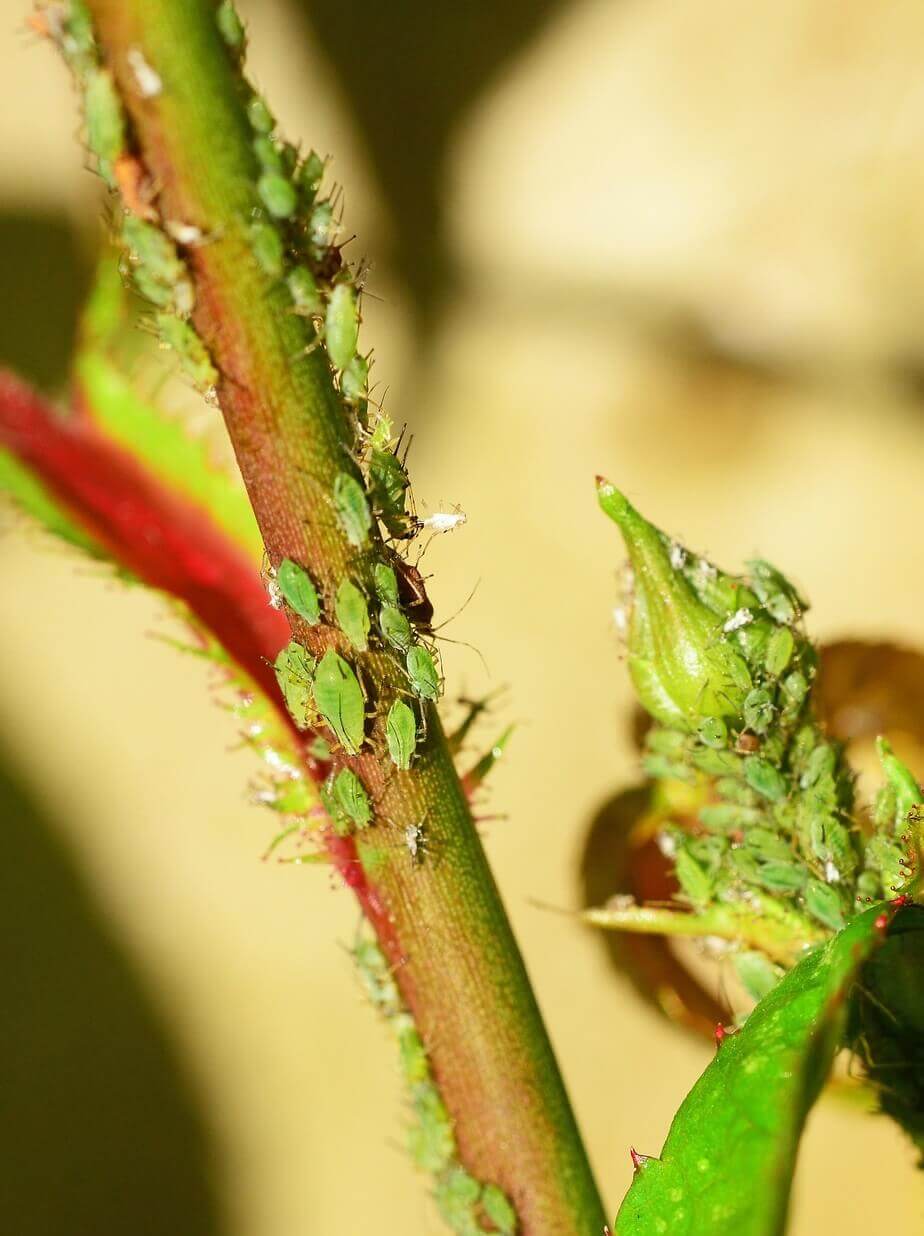
How to identify aphid infestations:
-
Colors vary (grey, white, green, yellow, black, brown, or red) depending on life stage and location
-
Oval-shaped bodies; may or may not have wings
-
Colonies of tens or hundreds congregate on undersides of stems and leaves
-
Feed by piercing leaves, stems, or buds to extract plant juices
-
Secrete honeydew (sugary liquid) that attracts sooty mold, turning foliage black
-
Ant presence near plant base indicates aphid infestation (ants protect aphids for honeydew access)
Effective aphid control methods:
-
Isolate infested plants and use high-pressure spray to reduce population
-
Remove heavily infected leaves and buds
-
Apply insecticidal soaps
-
Use neem oil treatments
-
Apply spinosad products
-
Use Essentria IC3 (horticultural oil blend)
 Aphids
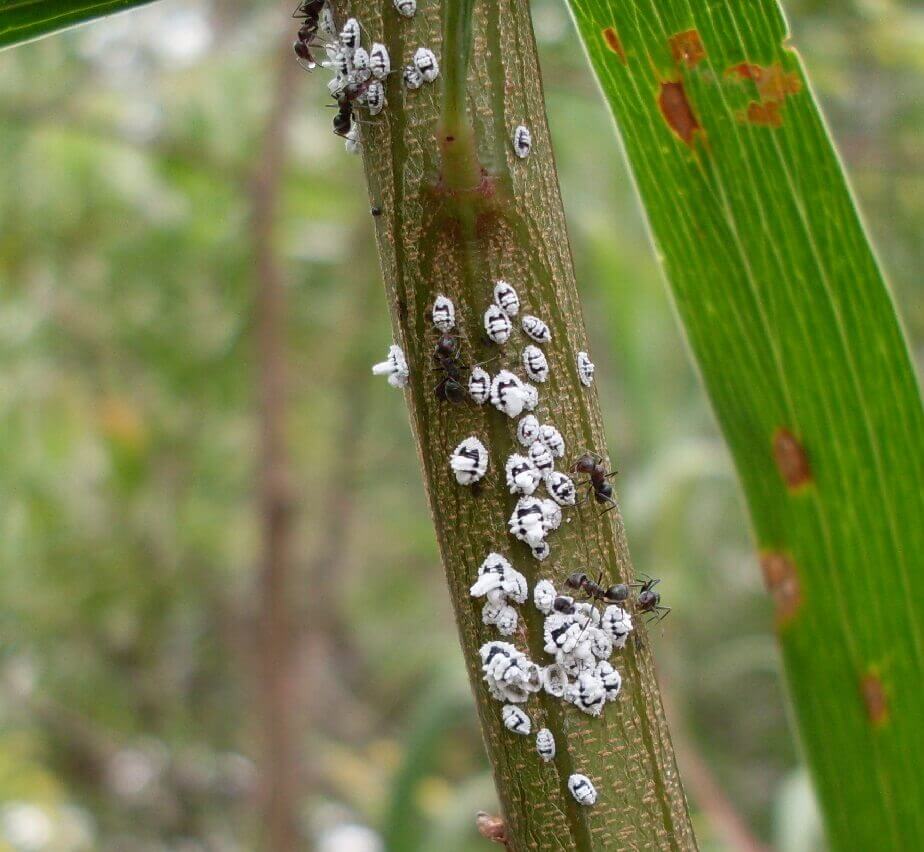
How to identify aphid infestations:
- Colors vary (grey, white, green, yellow, black, brown, or red) depending on life stage and location
- Oval-shaped bodies; may or may not have wings
- Colonies of tens or hundreds congregate on undersides of stems and leaves
- Feed by piercing leaves, stems, or buds to extract plant juices
- Secrete honeydew (sugary liquid) that attracts sooty mold, turning foliage black
- Ant presence near plant base indicates aphid infestation (ants protect aphids for honeydew access)
Effective aphid control methods:
- Isolate infested plants and use high-pressure spray to reduce population
- Remove heavily infected leaves and buds
- Apply insecticidal soaps
- Use neem oil treatments
- Apply spinosad products
- Use Essentria IC3 (horticultural oil blend)
 Broad Mites
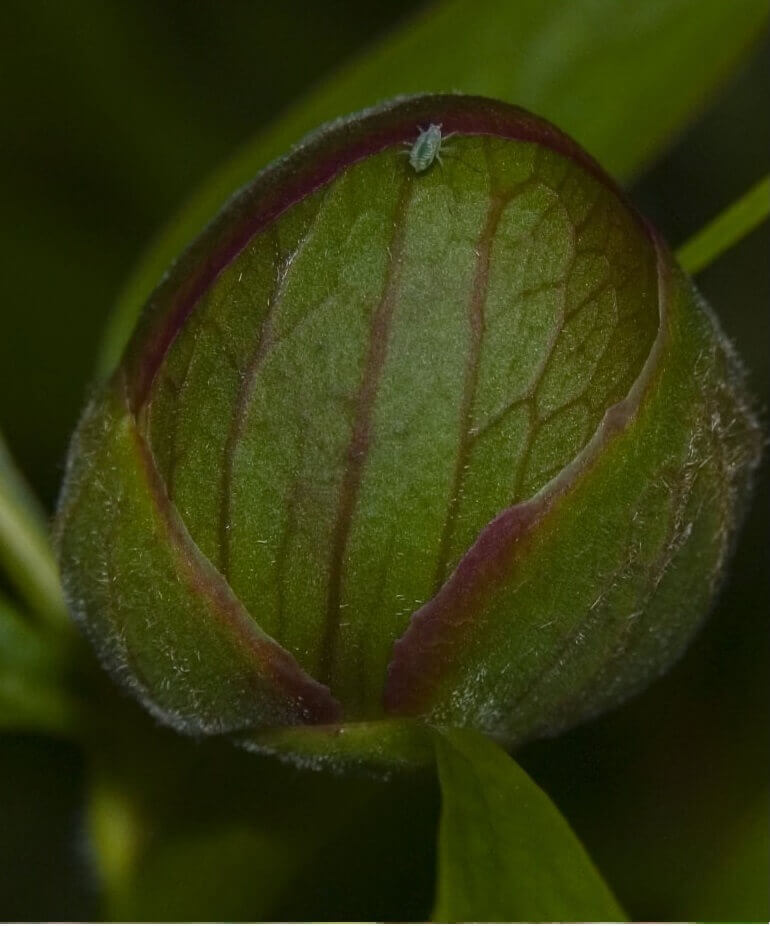
How to detect broad mite damage:
-
Extremely small; difficult to see even under microscope
-
New growth appears twisted, blistered, wet, or plastic-like
-
Flowering plants may develop brown, dying buds
-
Mites hide in leaf crevices and inside buds
-
Lay eggs inside plant tissue
-
Symptoms often misdiagnosed as overwatering, heat damage, or nutrient deficiency
Broad mite control strategies:
-
Apply neem oil regularly
-
Use Essentria IC3 treatments
-
Apply insecticidal soaps
-
Use Mighty Wash product
-
Consider Avid for severe infestations (avoid during flowering)
-
Use Forbid as alternative systemic treatment
-
Apply diatomaceous earth around growing area
-
Heat treatment: 105°F water submersion (10-20 minutes) or 115°F room temperature (60 minutes)
-
Treat several times weekly for multiple weeks
-
Continue treatments five weeks post-elimination due to internal egg deposits
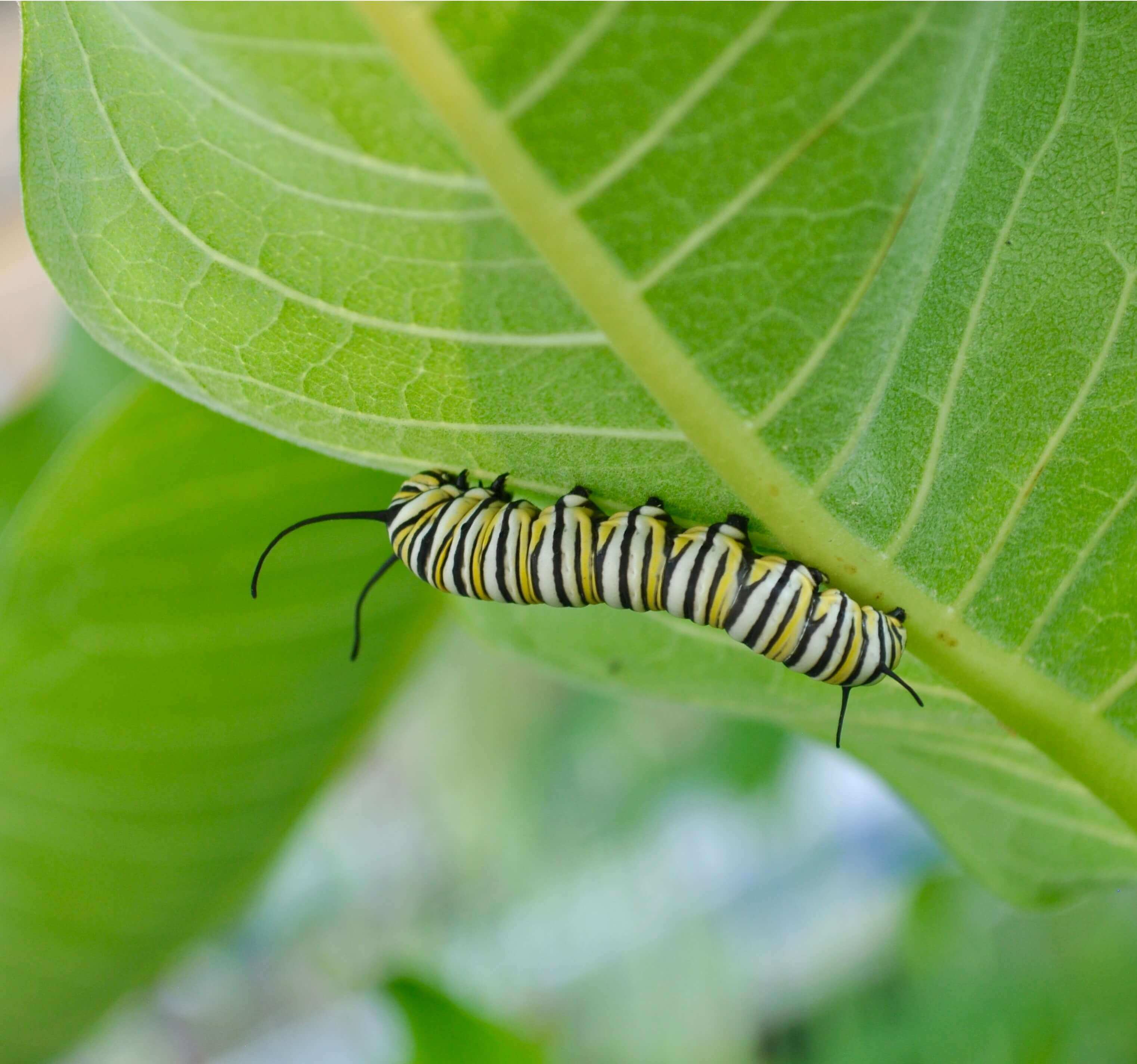 Caterpillars, Inchworms, and Loopers
Identifying leaf-eating larvae:
-
Caterpillars: numerous legs, various colors
-
Loopers: two sets of feet (front and rear), arched movement
-
Inchworms: three pairs of front legs, 2-3 pairs of rear legs, half-inch size, any color
-
Create visible holes in leaves, buds, stalks, and main stems
-
Leave droppings that quickly develop fungus and rot
-
Less common indoors with proper air circulation
Controlling caterpillar infestations:
-
Apply BT (Bacillus thuringiensis) spray immediately upon detection
-
Use spinosad products
-
Spray pyrethrum and shake plants to dislodge larvae
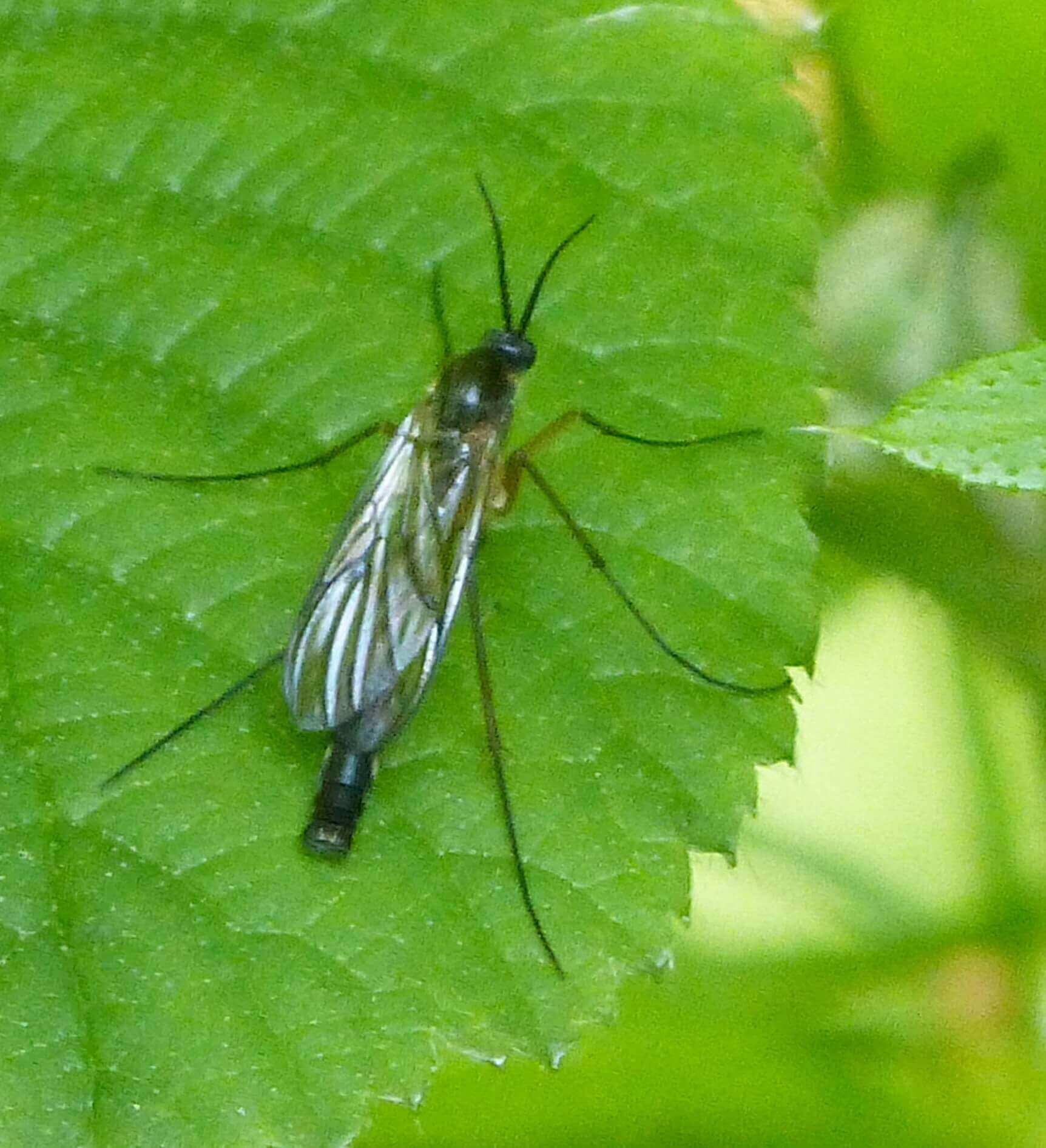 Fungus Gnats
Signs of fungus gnat problems:
-
Larvae have transparent bodies with black heads (barely visible)
-
Adults are small, grey to black with long legs
-
Thrive in dark, moist environments near plant base
-
Females lay approximately 200 eggs weekly in top inches of moist soil
-
Adults swarm around lower plant portions
-
Damage root systems, causing weak plants, slow growth, and fading foliage
-
Increase plant vulnerability to fungal infections
Fungus gnat prevention and treatment:
-
Allow top inch of soil to dry between waterings
-
Use air flow to dry soil surface
-
Treat top soil layer with neem oil
-
Apply diatomaceous earth to soil surface and edges
-
Place yellow sticky traps near floor and hanging positions
-
Maintain proper watering schedule (may take weeks for complete elimination)
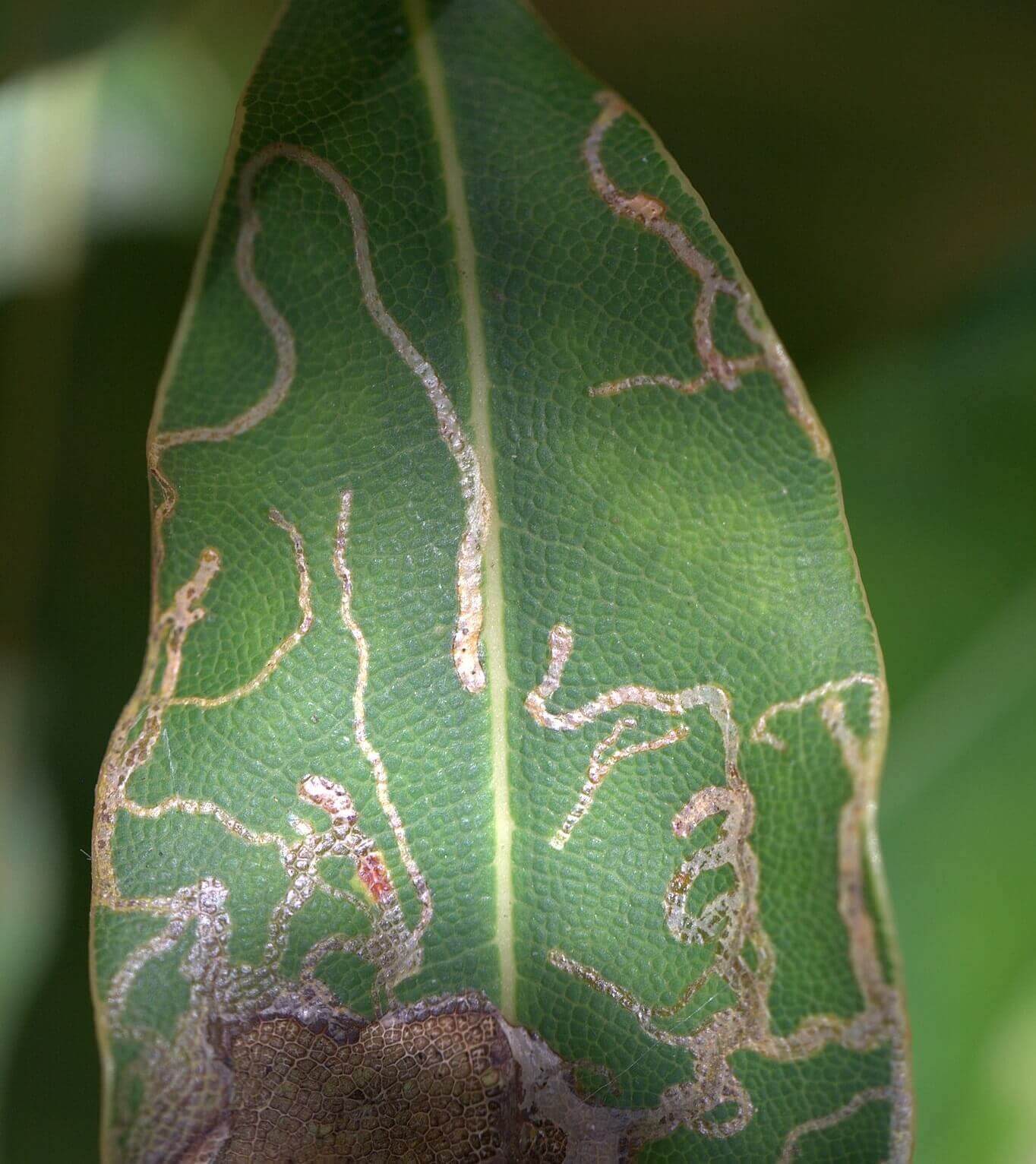 Leaf Miners
Detecting leaf miner activity:
-
Larvae live inside leaves, creating visible tunnels
-
Approximately 1/8" at hatching
-
Damage typically noticed before seeing actual pest
-
Burrow through leaf tissue, leaving distinctive trails
-
Consume nutrient-rich leaf portions
Leaf miner management:
-
Implement environmental controls in indoor and greenhouse facilities
-
Remove affected leaves when possible
-
Crush larvae by pressing fingers along visible trails
-
Apply spinosad products
-
Use neem oil treatments
-
Apply BT spray if caterpillars or loopers present
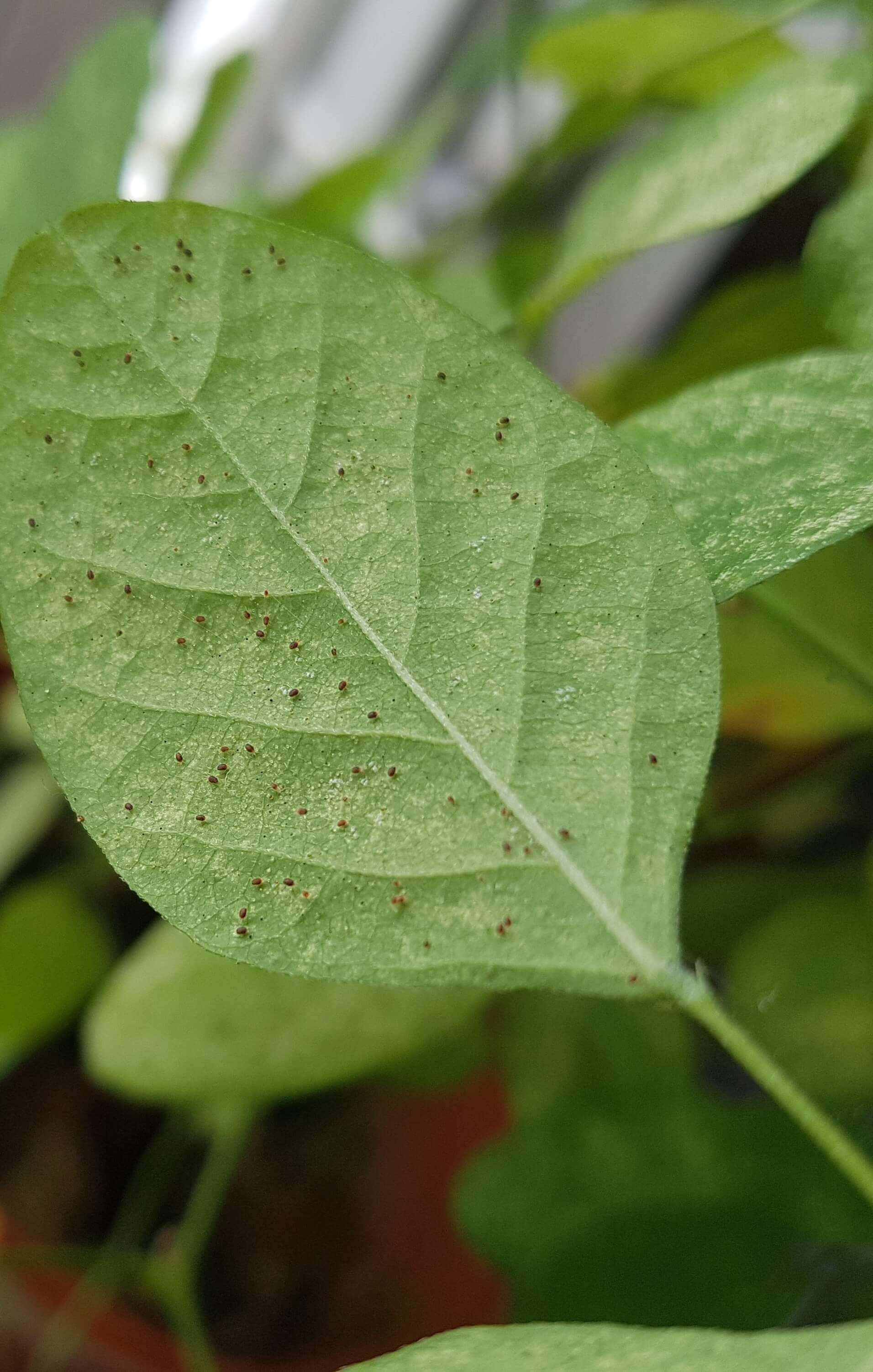 Spider Mites
How to identify spider mite infestations:
-
Live underneath leaves; appear as tiny spots to naked eye
-
Cause yellow, orange, or white speckles (often misdiagnosed as nutrient deficiency)
-
Heavy infestation areas show concentrated specks, yellowing, or bronzed leaves
-
Produce webbing covering foliage, flowers, or entire buds
-
Pierce individual plant cells to extract vital fluids
-
Visible under magnification; commonly brown with two spots, or yellow, white, or red
-
Females lay approximately 100 eggs every five days after single mating
-
75% of eggs become females
-
Rapidly develop resistance to treatments
Spider mite control methods:
-
Reduce temperature to slow reproduction
-
Create constant airflow over plants
-
Spray plants outdoors to reduce population before main treatment
-
Quarantine new plants for one week minimum, checking daily
-
Use Mighty Wash product
-
Apply spinosad treatments
-
Use Essentria IC3
-
Apply insecticidal soaps
-
Treat with neem oil
-
Use diatomaceous earth
-
Employ multiple treatment methods to prevent resistance
 Thrips
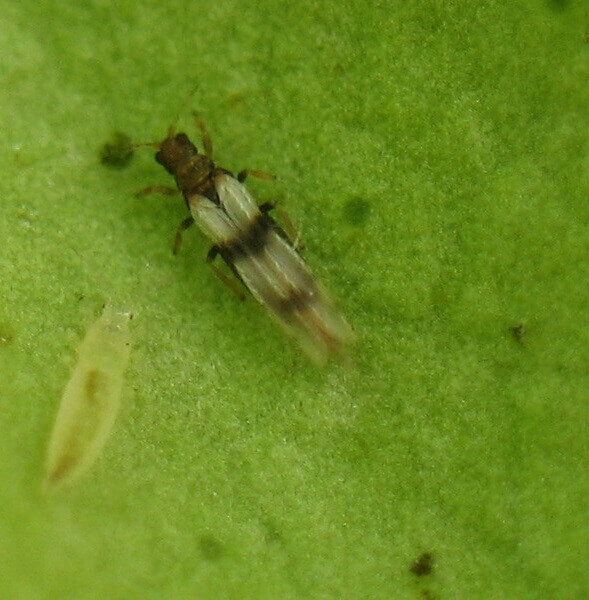
Identifying thrip damage:
-
Extremely small; nearly any color (dark, yellow, golden, translucent)
-
May or may not have wings depending on life stage
-
Move in groups rather than individually
-
Leave shiny silver or bronze spots where leaves were bitten
-
Strip chlorophyll from leaves, causing brittleness and darkening
-
Females deposit eggs inside plant tissue
-
Reproduce prolifically inside buds
-
Fly or jump when branches are disturbed
Thrip treatment options:
-
Apply insecticidal soaps
-
Use neem oil
-
Treat with spinosad products
 Whiteflies
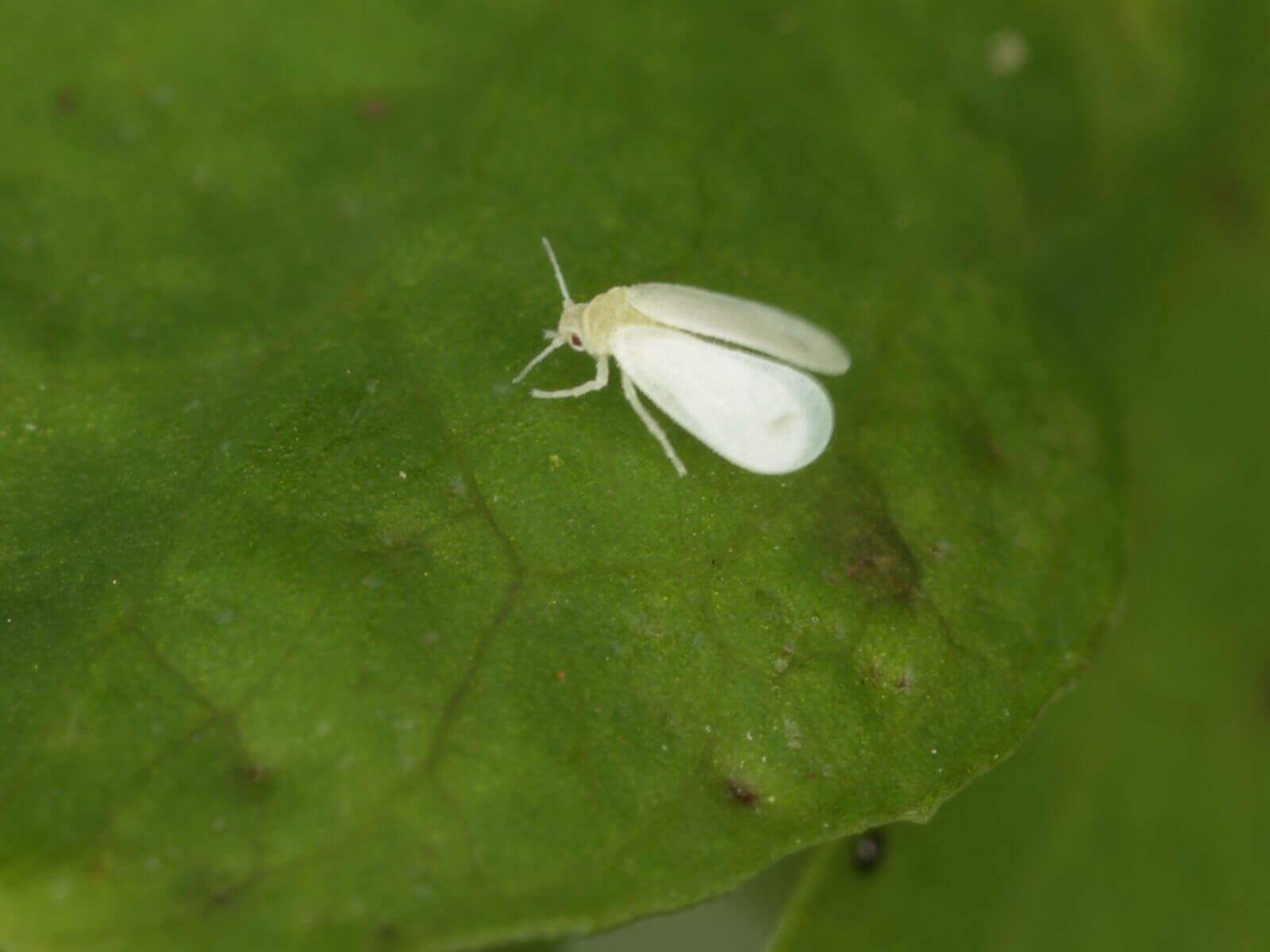
Signs of whitefly infestation:
-
Congregate underneath leaves, extracting nutrients
-
Easy to spot but difficult to eliminate if ignored
-
Eggs adhere strongly to leaves (cannot be wiped off)
-
Prefer weak plants; attack from top down
-
Cause damage similar to spider mites
-
Progressive damage depletes plant strength and energy
Whitefly control solutions:
-
Apply insecticidal soaps
-
Use neem oil treatments
-
Apply spinosad products
-
Use Essentria IC3
What Are the Most Effective Pest Control Products for Cultivation Facilities?
Organic and Chemical Treatment Options
|
Avid |
Avid is harsh and expensive but works if nothing else is getting the job done. This insecticide infiltrates the inside of the plant tissue and should not be used during the flowering stage. Don't use this product more than once or twice in a row as the mites can become resistant. If you decide to use systemic insecticides, switch back and forth between Acid and a product like Forbid. |
|
BT (Bacillus Thuringiensis) Spray |
A biological insecticide that kills larva and prevents pests from being able to eat. You'll want to apply this spray as soon as you notice any signs of an insect infestation. |
|
Diatomaceous Earth |
A powder-like substance that is sprinkled on top of the soil and anywhere else in the room. Diatomaceous Earth is harmless to animals and plants but is exceptionally sharp at a microscopic level. It will tear and dehydrate mites on physical contact but it will not get rid of an infestation. It will, however, prevent and slow it down when used effectively. It will kill adults and larvae fungus gnats that touch it. |
|
Essentria IC3 Insecticide |
Also known as bed bug killer, Essentria IC3 is a mix of various horticultural oils that are organic and safe for humans. This method only stays effective on the plant for about 8 hours so you'll need to apply it daily or combine with another option. |
|
Forbid |
Like Avid, Forbid is made with strong chemicals, is expensive, and also infiltrates the inside of plant tissue. Don't use this product more than once or twice in a row as the mites can become resistant. If you decide to use systemic insecticides, switch back and forth between Forbid and a product like Avid. |
|
Heat |
Heat runs out broad and russet mites. Growers may try and get rid of them on small plants by submerging the plants in hot water for 10-20 minutes at 105°F or by heating up to grow room to 115°F for 60 minutes. Please keep in mind that this can be dangerous to the health of your plants. |
|
Insecticidal Soaps |
Insecticidal soaps weaken the outer shell of aphids, barnacles, mites, thrips, and whiteflies and are safe to use on plants. Additional applications may be required. Even though this is considered safe it's best practice to avoid getting any on buds. |
|
Mighty Wash |
Can be used to drench leaves 15 minutes before lights go out ensuring that the foliage under the leaves and top of your soil is covered. Use a mister to spray and a fan to help dry. |
|
Neem Oil |
An all-natural remedy that is effective against many types of bugs and mold. However, it leaves an unpleasant smell and taste so don't let it near your buds. |
|
Spinosad |
Spinosad products are organic and completely harmless to pets, children, and plants. Spinosad can be used directly to kill aphids and leaf miners and can be sprayed liberally. It can kill barnacles but their shell makes them resistant, so it’s important to cover all of the vegetation. Not as effective as BT spray for caterpillars, inch worms, and loopers, but can kill them if sprayed directly on contact. Spinosad can be used to kill spider mites, thrips, and whiteflies on contact and can be used when watering plants to kill spider mites from the roots. |
How Can Cultivation Facilities Prevent Pest Infestations?
Primary Prevention Strategy: Facility Cleanliness
The foundation of pest prevention is maintaining clean grow rooms free of dirt and debris. Poor cleanliness creates entry points for pests that can destroy entire harvests.
Air Filtration Systems for Pest Prevention
Why air filtration matters: Air filtration systems continuously clean and circulate airflow to maintain optimal growing conditions and protect plants from pest entry.
How air filtration works:
-
Powerful blowers force air through specialized filter media
-
Clean air is recirculated throughout the grow room
-
Available in multiple styles and configurations
-
Designed specifically for cultivation environments
-
Proven more effective than standard HVAC and TiO2 PCO systems
Best Practices for Pest Prevention
Maintain facility cleanliness - Regular cleaning of grow rooms and equipment
Implement quarantine protocols - Isolate new plants for minimum one week
Conduct daily inspections - Check quarantined plants for pest signs
Install air filtration systems - Prevent pest entry through air circulation
Control environmental conditions - Manage temperature, humidity, and airflow
Use physical barriers - Prevent larger animal access to outdoor operations
Schedule professional inspections - Comply with regulatory requirements
Why Professional Pest Prevention Saves Moneu
Time is money in commercial cultivation. Pest infestations can devastate crops and create costly setbacks for growers. Implementing prevention strategies—particularly air filtration—helps avoid these risks before they impact your operation.
Investment Protection: Commercial air filtration systems provide continuous protection against the most common grow room threats, offering cultivators the safest and most efficient solution for maintaining pest-free environments.
FAQs: Preventing Pests in Horticulture
How can I prevent pests in an indoor cultivation facility?
The most effective method is a combination of cleanliness, environmental control, and air filtration. Regular inspections and quarantining new plants are also essential.
What is the safest way to control pests without chemicals?
Use organic treatments like neem oil, insecticidal soaps, and diatomaceous earth. These are safe for most plants and reduce chemical exposure.
Which pests are most common in commercial grow rooms?
Aphids, spider mites, fungus gnats, whiteflies, and thrips are the most frequently encountered pests in indoor plant cultivation facilities.
Are air filtration systems effective at keeping pests out?
Yes, high-quality air filtration systems remove airborne pests and spores, reducing the risk of infestations in controlled growing environments.
Can pest infestations impact regulatory compliance?
Yes. Many regions require facilities to be free of vermin and may mandate closure until the issue is resolved if infestations are discovered during inspection.
You may also like: