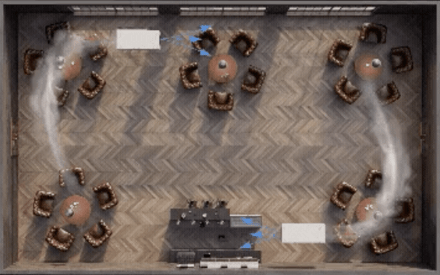
Air Filtration vs. Ventilation: What You Need to Know for Cleaner, Safer Workspaces
Summary
Air filtration and ventilation are two essential strategies for improving indoor air quality. While ventilation brings in fresh air and removes stale air, air filtration uses advanced filters to remove contaminants like smoke, dust, allergens, and airborne pathogens.
When used together, they create safer, healthier work environments—reducing illness, improving comfort, and ensuring regulatory compliance across industries such as healthcare, manufacturing, education, and laboratories.
Table of Contents
What Is Air Filtration?
Air filtration refers to the process of removing harmful particles, pollutants, and contaminants from indoor air using specalized filters . These systems are designed to trap dust, fumes, bacteria, viruses, and chemical vapors, especially in high-risk or sensitive environments.
By continuously cleaning the air, filtration systems help improve indoor air quality, protect occupant health, and support compliance with safety regulations. They are a critical component of modern air quality management strategies across various building types.
How Do Air Filtration Systems Work?
Air filtration systems typically include a fan or blower that pulls indoor air through a multi-stage filter system .
These filters may include:
Pre-filters : Capture larger particles like dust and lint
HEPA filters : Capture 99.97% of particles ≥ 0.3 microns (source: EPA – [link if needed])
Activated carbon filters : Absorb gases, odors, and VOCs
Once the air is filtered, the system recirculates the clean air back into the room. These systems do not require ductwork , making them ideal for retrofit or standalone use.
This creates a continuous purification cycle without exhausting conditioned air.
Benefits of Air Filtration
Air filtration systems offer a range of health, safety, and operational advantages, making them a smart investment for maintaining cleaner, more efficient indoor environments.
Improved Indoor Air Quality
No Ductwork Required
Lower Energy Costs (due to recirculating conditioned air)
Reduced Sick Leave & Respiratory Issues
Compliance with Safety Standards
Extended Equipment Lifespan (less dust buildup)
What Is Ventilation?
Ventilation refers to the process of moving air into and out of an indoor space to replace stale or contaminated air with fresh outdoor air. It can be:
Ventilation helps regulate humidity, control odors, and prevent indoor air stagnation. It’s especially crucial in enclosed or high-occupancy spaces.
Air Filtration vs. Ventilation: Key Differences
Feature Air Filtration Ventilation
Primary Function Removes particles and contaminants
Brings in fresh air, exhausts stale air
Air Exchange Recirculates indoor air
Exchanges indoor air with outdoor air
Filtration Ability Captures fine particles (e.g., smoke, bacteria)
Limited; larger particles only
Energy Use Energy-efficient (preserves conditioned air)
Higher AC load (loses cooled/heated air)
Installation Standalone or portable units
Requires ductwork and fans
Ideal Use Contaminant-heavy areas
High-occupancy or moisture-prone spaces
Why Combine Filtration and Ventilation? Using both systems together provides maximum indoor air quality by:
Ensuring fresh air circulation
Removing harmful particles and allergens
Reducing the spread of airborne illnesses
Lowering HVAC strain through recirculation
Meeting ASHRAE and OSHA indoor air quality guidelines
FAQs: Air Filtration and Ventilation Systems What's the difference between air filtration and ventilation?
Air filtration removes airborne particles like dust, allergens, and microbes by passing indoor air through specialized filters. Ventilation replaces stale indoor air with fresh outdoor air to improve air freshness and circulation.
Do I need both?
Yes. Ventilation helps prevent stagnant air and regulates humidity, while air filtration removes harmful particles that ventilation alone cannot address. Using both ensures comprehensive indoor air quality control.
What is a HEPA filter?
A HEPA (High-Efficiency Particulate Air) filter captures 99.97% of particles as small as 0.3 microns . HEPA filters are commonly used in healthcare, laboratories, cleanrooms, and other environments where air purity is critical.
What is an activated carbon filter?
An activated carbon filter removes gases, odors, smoke, and volatile organic compounds (VOCs) from the air. Unlike HEPA filters, which trap particles, carbon filters adsorb chemical pollutants and are often used alongside HEPA in multi-stage air cleaning systems.
Can I use filtration systems without ductwork?
Yes. Many modern air filtration systems are self-contained and do not require traditional HVAC ductwork . These systems are often portable, wall-mounted, or ceiling-mounted , making them suitable for a wide range of spaces and retrofits.
How often should I replace filters?
This depends on use and environment. On average:
Check your manufacturer’s guidelines or install pressure indicators to monitor airflow resistance.
Are these systems loud?
Our air filtration systems are engineered for quiet performance, operating at low to moderate decibel levels depending on the fan speed.
Typical sound levels are approximately 65–68 dBA at a distance of 5 feet when running on high settings. For even quieter operation, lower speed settings significantly reduce noise output. Always check the product's sound rating (ideally under 55 dBA for low-speed operation) to match your environment's noise requirements.
Next Steps for Cleaner Indoor Air Air filtration and ventilation serve distinct but essential roles in indoor air quality management . While ventilation introduces fresh air and reduces buildup of humidity and odors, filtration systems clean the air of hazardous particles and contaminants.
Our air quality specialists can help identify an air filtration solution that aligns with your operational needs, performance requirements, and budget . Contact our team today to begin evaluating the right solution for your facility.