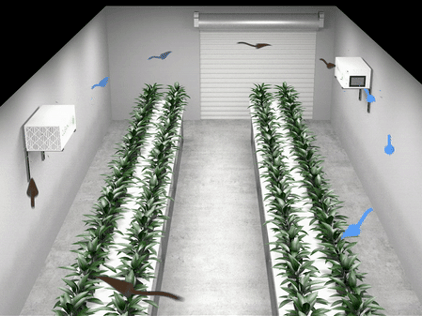
Grow Room Air Quality: Complete Troubleshooting Guide for Cultivation Facilities
Summary
Air quality directly impacts plant health, growth rates, and yields in commercial cultivation environments. Poor air conditions can introduce harmful mold spores, pathogens, and bacteria that damage crops and reduce productivity.
This guide covers everything growers need to know about optimizing air quality—from filtration system setup to humidity control and ongoing maintenance.
Professional air filtration systems help remove airborne contaminants, regulate humidity, reduce pest risks, and control odors—creating a clean, stable environment ideal for healthy plant growth in greenhouses, vertical farms, and other horticultural facilities.
Key Takeaways:
Air quality directly correlates with plant health and yield
Proper humidity and temperature ranges prevent disease and pest issues
Strategic filtration system placement ensures even air distribution
Regular maintenance is essential for system effectiveness
Compliance with odor and air quality standards may be required for operations
Table of Contents
Why Air Quality Matters in Cultivation Facilities
Air quality in grow rooms has a direct correlation with plant health, making it one of the most critical factors for optimal growth and yield. Maintaining superior air quality is essential for protecting your crop investment and maximizing productivity.
Poor air quality introduces harmful particles including:
These contaminants can compromise plant health and lead to significant crop losses.
How Poor Air Quality Affects Plant Health
Poor air quality creates an environment that encourages the development of disease and pest infestations.
High Humidity Issues:
Low Humidity Problems:
Impact on Growth and Yields
Poor air quality reduces overall plant performance:
Slower growth and reduced photosynthesis
Lower yields
Inconsistent crop quality
Increased susceptibility to pests and disease
Essential Environmental Conditions for Plant Growth
Cultivators must maintain tight control over environmental variables for consistent and healthy crop performance.
Key Air Quality Parameters
Air Circulation
Temperature Ranges
Humidity Control
Carbon Dioxide Levels
Benefits of Professional Air Filtration Systems Air filtration systems contribute to a healthy, productive indoor growing environment.
Pathogen and Contaminant Control
Mold and Mildew Prevention
Bacterial and Viral Filtration
Overall Air Quality Improvements
Improved growth rates
Healthier plants
Higher quality harvests
Pest Pressure Reduction
Air filtration systems help mitigate pest risks by:
Filtering airborne larvae, eggs, and debris
Creating a cleaner, less attractive environment for insects
Blocking pest entry through intake vents
Odor Management and Air Quality Standards
Some crops (e.g., herbs or flowering plants) can produce strong odors. Filtration systems:
Neutralize VOCs
Help meet odor and emissions regulations
Improve working conditions
Prevent odor-related complaints
Regulatory Considerations
Greenhouses and indoor farms may be required to:
Submit odor mitigation plans
Comply with local air quality standards
Limit emissions of VOCs and particulates
Professional air filtration systems can help meet these requirements while improving environmental quality and safety.
Optimal Placement for Air Filtration Systems Creating Even Airflow To maximize coverage:
Poor Placement Consequences
Coverage Area Considerations
Ensure total grow space coverage
Use multiple systems in larger facilities
Design systems to complement—not compete with—each other’s airflow
Height Considerations for Maximum Effectiveness Finding the Right Height
Too Low:
Too High:
Ideal Height:
Matches plant canopy height
Avoids structural interference
Allows easy maintenance access
Adapt Based on Crop Type
Short crops: lower placement
Tall crops or multi-tier setups: higher or staggered systems
Vertical farms: consider filters at each tier level
Understanding Airflow Patterns
Natural Air Movement
Air Exchange Efficiency
Target Exchange Rate:
Practical Installation Requirements
Electrical Access
Ensure safe, code-compliant power sources
Plan for backup systems if needed
Avoid retrofitting delays by integrating early
Structural Support
Accessibility
Allow room for inspections and maintenance
Avoid interfering with plant areas
Plan for tool and technician access
Maintenance Best Practices
Replace Filters Regularly
Follow manufacturer guidance
Monitor pressure differential and airflow for real-time feedback
Replace pre-filters every 1–3 months; HEPA filters every 6–12 months
Routine System Checks
Design for Easy Maintenance
Mount systems where technicians can access filters without crop damage
Reduce downtime with simple, tool-free access points
Optimizing Air Quality
Optimizing air quality is essential for any commercial plant cultivation operation. From pathogen control to pest mitigation and environmental consistency, professional air filtration systems provide the clean air that plants need to thrive.
By understanding airflow patterns, selecting proper system placement, and implementing a proactive maintenance routine, growers can:
Improve plant health and yield
Meet regulatory standards
Lower disease and pest risks
Increase operational efficiency
Maximize profitability
FAQs: Grow Room Air Quality
What is the ideal air exchange rate for a grow room?
Most facilities require complete air exchange every 1–5 minutes, depending on crop type, plant density, and growth phase.
How does poor air quality affect plant yields?
It slows growth, increases disease risk, and reduces final yield quality—often by 20–40% in uncontrolled environments.
What are signs of poor air filtration?
Mold, odors, dust on leaves, uneven growth, persistent humidity issues, and increased pest activity.
How often should air filters be replaced?
Pre-filters : every 1–3 monthsHEPA or high-efficiency filters : every 6–12 months
Use pressure and airflow readings to determine exact timing.
Can air filtration systems help reduce pests?
Yes. They filter out airborne pest eggs, larvae, and organic particles that attract insects—key in an IPM strategy.
What humidity levels should I maintain?
Do filtration systems lower energy use?
They can improve HVAC efficiency and prevent losses from crop failure—offsetting their power consumption.
How do I size an air filtration system?
Calculate room volume × desired air exchanges/hour ÷ 60 = required CFM.
Consult with experts for specific crop requirements.
What causes uneven growth patterns?
Poor airflow leads to microclimates—plants in stagnant areas grow slower or differently. Adjust system placement.
Are there air quality regulations for horticulture facilities?
Yes, many regions require odor mitigation, VOC control, and proper air exchange in indoor farms and greenhouses.
How does temperature affect filtration?
Temperature impacts airflow and humidity. Filtration systems must accommodate rising heat and natural convection currents.
What maintenance is needed for filtration systems?
Regular inspections, filter changes, airflow tests, motor servicing, and system calibration—based on usage and conditions.